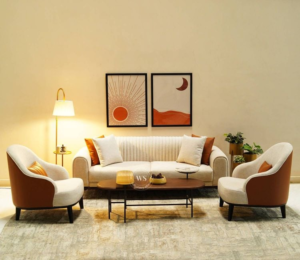

Hotel furniture plays an important role in creating a comfortable, elegant, and memorable guest experience. From luxurious hotel bedrooms and stylish lobbies to restaurants, banquet halls, lounges, and outdoor seating areas, the right furniture helps define the appearance and functionality of a hospitality property.
Whether you are developing a new hotel, renovating an existing property, or furnishing a luxury resort, selecting suitable hotel furniture requires careful planning. Design, comfort, durability, material quality, maintenance, and budget should all be considered before making a purchasing decision.
In this guide, we explore the different types of hotel furniture, popular materials, customization options, and important factors to consider when selecting furniture for hospitality projects.
1. Why Is Quality Hotel Furniture Important?
Hotel furniture is more than a decorative element. It supports guest comfort, everyday hotel operations, and the overall design of the property.
High-quality hotel furniture can help businesses:
- Create an attractive and welcoming atmosphere
- Improve guest comfort and usability
- Maintain a consistent interior design theme
- Support frequent commercial use
- Make better use of available space
- Build a distinctive hotel or resort identity
Furniture should be selected according to the hotel’s category, target guests, operational requirements, and design concept.
2. Different Types of Hotel Furniture
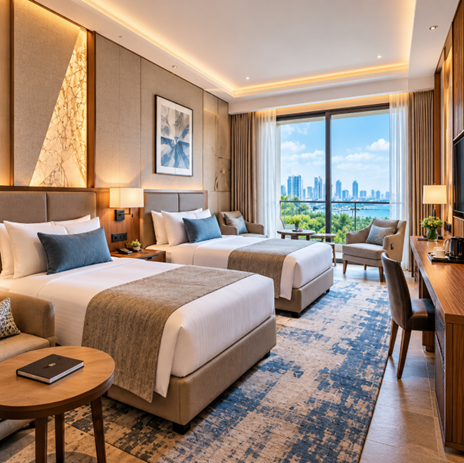
Hotels require furniture for several functional areas. Each area has its own requirements for appearance, comfort, dimensions, and durability.
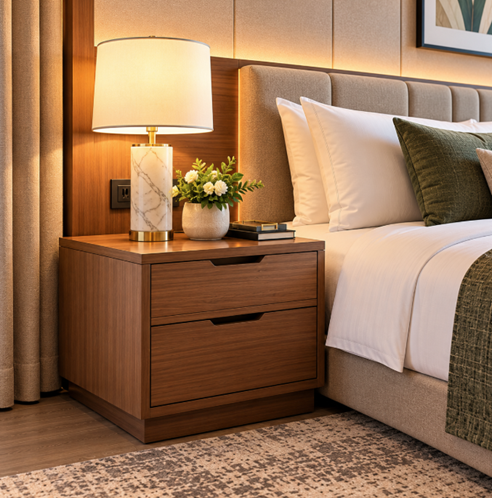
Hotel Bedroom Furniture
Bedroom furniture contributes significantly to guest comfort and the overall room experience.
Popular hotel bedroom furniture includes:
- Hotel beds and headboards
- Bedside tables
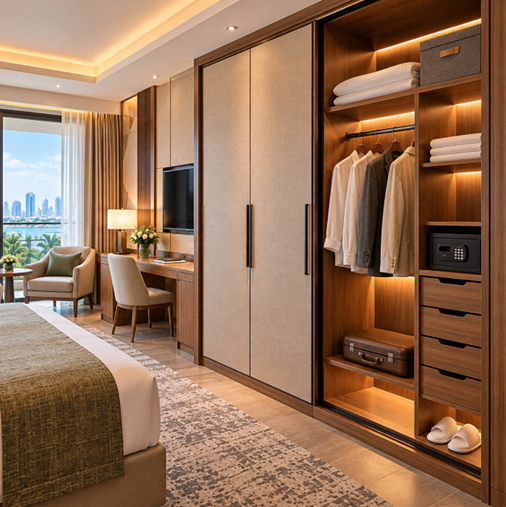
- Wardrobes and luggage racks
- Writing desks and office chairs
- Dressing tables and mirrors
- Lounge chairs and occasional tables
Furniture dimensions should allow guests to move comfortably around the room while providing practical storage and convenient access to essential items.
Hotel Lobby Furniture
The lobby creates the first impression for arriving guests. Its furniture should reflect the property’s identity while supporting waiting, reception, and social interaction.
Common lobby furniture options include reception desks, lounge sofas, accent chairs, coffee tables, side tables, and occasional seating.
For luxury hotels, coordinated furniture, suitable upholstery, and carefully selected finishes can help create a sophisticated environment.
Hotel Restaurant Furniture
Hotel restaurants require comfortable and practical furniture that complements the dining concept.
Popular products include restaurant dining tables, dining chairs, upholstered seating, bar stools, buffet counters, and outdoor dining sets.
When selecting restaurant furniture, consider table sizes, seating capacity, ease of cleaning, circulation space, and the expected frequency of use.
Hotel Banquet Furniture
Banquet halls and event spaces require furniture that can accommodate weddings, conferences, celebrations, and corporate functions.
Suitable options include banquet chairs, dining tables, conference tables, lounge seating, and furniture for pre-function areas.
Stackable chairs and folding tables may be useful when venues need to change layouts frequently. Product selection should consider storage, handling, stability, and the venue’s operational requirements.
Outdoor Hotel Furniture
Outdoor furniture is essential for hotels with gardens, swimming pools, terraces, rooftop lounges, and outdoor restaurants.
Popular choices include outdoor rope chairs, garden sofas, dining tables, sun loungers, coffee tables, bar furniture, and poolside seating.
Materials should be selected according to weather exposure, maintenance needs, and the intended use of each area.
3. Choose the Right Materials for Hotel Furniture
Material selection influences furniture appearance, durability, maintenance, and cost.
Solid Wood Furniture
Solid wood is widely used for beds, tables, headboards, desks, and selected lounge furniture. The appropriate wood species and finish depend on the product design, expected use, and budget.
Engineered Wood
Engineered wood products can be suitable for wardrobes, cabinets, desks, and other interior applications. Their performance depends on the grade, surface finish, edge treatment, and protection from moisture.
Metal Furniture
Metal frames are used in chairs, tables, bed structures, and contemporary furniture designs. Appropriate coatings and construction details are important for durability and corrosion protection.
Upholstered Furniture
Upholstered sofas, armchairs, dining chairs, and headboards provide additional comfort and design flexibility. For hospitality environments, consider fabric durability, stain resistance, cleaning requirements, and replacement options.
Rope and Rattan-Style Furniture
Rope-woven furniture and rattan-style designs are popular for hotel terraces, restaurants, lounges, and resort gardens. Outdoor applications require materials specifically suited to exterior conditions, while indoor applications can prioritize decorative appeal and comfort.
Choosing materials according to the intended environment helps support long-term performance.
4. Custom Hotel Furniture for Unique Projects
Custom hotel furniture allows owners, architects, and interior designers to develop furniture according to a project’s dimensions, design language, and functional requirements.
Customization options may include:
- Custom bed frames and headboards
- Bespoke lobby sofas and lounge chairs
- Special table dimensions and finishes
- Custom wardrobes and storage units
- Coordinated banquet and restaurant furniture
- Outdoor furniture designed for terraces and poolside areas
- Upholstery colours and materials that match the interior concept
Customized furniture can help maintain a consistent visual identity across bedrooms, restaurants, lobbies, and outdoor areas.
Before confirming a bulk order, review drawings, dimensions, material samples, finishes, production schedules, and agreed product specifications.
5. How to Choose Furniture for a Luxury Hotel
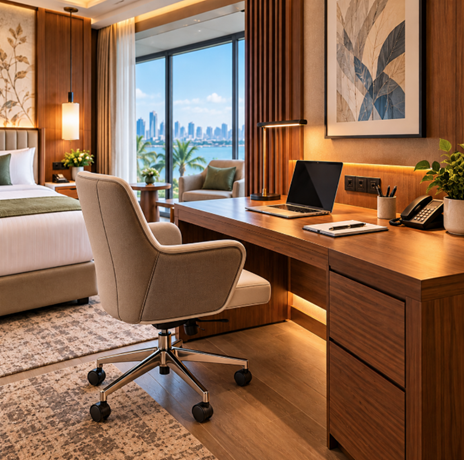
Luxury hotels need furniture that combines design, comfort, and practical performance. Every selection should complement the property’s architectural style and guest expectations.
Consider these factors when planning a luxury hotel furniture project.
Design consistency: Select furniture that complements the hotel’s interiors, lighting, flooring, and decorative elements.
Guest comfort: Evaluate mattress support, chair ergonomics, sofa depth, cushion quality, and seating dimensions.
Material quality: Review construction, upholstery, finishes, hardware, and material suitability for the intended application.
Space planning: Ensure furniture does not obstruct walkways, doorways, or essential circulation routes.
Maintenance: Choose finishes and upholstery that suit housekeeping routines and operational requirements.
Long-term value: Compare initial costs with expected maintenance, repair, replacement, and service-life considerations.
A well-planned furniture schedule helps coordinate product selection across different departments and spaces.
6. Hotel Furniture for Resorts and Boutique Hotels
Resorts and boutique hotels often use furniture to create a distinctive atmosphere that reflects their surroundings and brand identity.
A tropical resort may feature natural wood, woven rope chairs, outdoor sofas, and comfortable poolside loungers. A contemporary boutique hotel may prefer minimalist furniture, textured upholstery, and custom-designed accent pieces.
Furniture can be selected for:
- Guest bedrooms and suites
- Reception and lobby lounges
- Poolside relaxation areas
- Outdoor restaurants and cafés
- Garden seating and terraces
- Spa lounges and relaxation rooms
- Rooftop bars and entertainment areas
Coordinating materials, colours, and furniture styles across these spaces can help create a unified guest experience.
7. Hotel Furniture Buying Guide: What Should You Check?
Before purchasing furniture for a hotel, prepare a clear list of requirements.
- Define the project scope: Identify the number of rooms, furniture categories, public areas, and outdoor spaces.
- Establish a budget: Allocate funds according to product categories, quantities, materials, and customization requirements.
- Prepare dimensions: Measure rooms, corridors, reception areas, restaurants, and other spaces.
- Compare materials: Review durability, maintenance requirements, finishes, and suitability for each location.
- Check product specifications: Confirm dimensions, construction, load capacity where relevant, and hardware details.
- Request samples: Evaluate upholstery, wood finishes, laminates, metal coatings, and other visible materials.
- Review supplier capability: Confirm production capacity, bulk-order handling, packaging, and delivery timelines.
- Clarify commercial terms: Check quotations, payment terms, warranty conditions, installation arrangements, and after-sales support.
A detailed furniture schedule and bill of quantities can help simplify procurement and reduce the risk of ordering mismatched products.
8. Hotel Furniture Manufacturer and Supplier in India
Hotels, resorts, restaurants, and banquet venues often require multiple furniture categories from a coordinated procurement process. Working with a suitable hotel furniture manufacturer or supplier can help buyers organize specifications, customization, and bulk requirements.
When comparing suppliers in India, consider their product range, manufacturing capabilities, experience with commercial projects, quality-control procedures, delivery coverage, and ability to meet agreed specifications.
Ask for detailed quotations and product information before placing an order. For large projects, approving a sample or prototype can help confirm the expected quality and finish.
The right supplier should understand your project requirements and communicate clearly about production, delivery, and any customization limitations.
9. Latest Hotel Furniture Design Trends
Hotel furniture design continues to evolve as hospitality businesses seek distinctive interiors and more functional spaces.
Popular design directions include:
- Contemporary furniture with clean lines
- Warm wood finishes and natural textures
- Neutral upholstery with contrasting accent colours
- Multifunctional furniture for compact rooms
- Statement seating for hotel lobbies
- Custom-designed restaurant and lounge furniture
- Outdoor rope furniture for terraces and resorts
- Coordinated furniture collections across hospitality spaces
Trends should be evaluated according to the hotel’s identity, guest expectations, maintenance capacity, and long-term design objectives.
Frequently Asked Questions About Hotel Furniture
What furniture is required for a hotel?
A hotel may require beds, headboards, bedside tables, wardrobes, desks, lobby sofas, lounge chairs, restaurant furniture, banquet tables, conference furniture, and outdoor seating. The exact requirements depend on the property’s size and facilities.
Which materials are suitable for hotel furniture?
Wood, engineered wood, metal, commercial-grade upholstery, and outdoor-grade synthetic rope are commonly used. Material selection should reflect the product’s location, expected use, cleaning requirements, and budget.
Is custom furniture suitable for hotel projects?
Yes. Custom furniture can accommodate specific room dimensions, design concepts, storage needs, upholstery choices, and branding requirements. Samples and technical specifications should be approved before bulk production.
How can hotels select durable furniture?
Review construction quality, joints, finishes, hardware, upholstery specifications, and product suitability for commercial use. Ask suppliers for relevant product documentation and maintenance instructions.
How should businesses compare hotel furniture quotations?
Compare equivalent product specifications, materials, dimensions, quantities, finishes, delivery terms, warranty conditions, and any installation or transportation charges. The lowest quotation may not offer the best overall value.
Conclusion
Hotel furniture is a key part of hospitality design, influencing guest comfort, property appearance, and everyday operations. From bedroom furniture and lobby seating to restaurant tables, banquet chairs, and outdoor lounge sets, every selection should suit the property’s functional and aesthetic requirements.
By evaluating materials, durability, customization, space planning, maintenance, and supplier capabilities, hotel owners and project developers can make better-informed furniture purchasing decisions.
Planning a hotel or resort furniture project? Prepare your furniture requirements, review suitable designs, and contact a qualified hotel furniture manufacturer or supplier to discuss product specifications, custom designs, bulk quantities, and a project quotation.