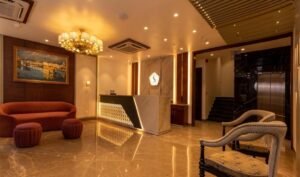

Choosing the right materials is essential when purchasing commercial hotel furniture. Hotels, resorts, restaurants, banquet halls, and other hospitality businesses require furniture that combines attractive design, guest comfort, structural durability, and easy maintenance.
Unlike furniture used in ordinary homes, commercial hotel furniture often experiences frequent daily use. Beds, wardrobes, bedside tables, lobby sofas, restaurant chairs, study desks, and banquet tables must withstand regular handling, cleaning, and operational demands.
The right material selection can help businesses manage maintenance costs, maintain a consistent interior design, and make informed long-term purchasing decisions.
In this guide, we explore the best materials for durable commercial hotel furniture, their advantages, suitable applications, and the factors to consider before purchasing furniture for your hospitality project.
1. Why Material Selection Matters for Commercial Hotel Furniture
Material quality influences the appearance, performance, maintenance requirements, and overall cost of hotel furniture.
When selecting furniture materials, businesses should consider:
- Durability under frequent commercial use
- Resistance to scratches, stains, and everyday wear
- Structural strength and stability
- Moisture and temperature conditions
- Ease of cleaning and maintenance
- Design flexibility and finish options
- Initial purchase price and long-term value
For example, a hotel bedroom wardrobe has different material requirements from a poolside lounge chair. Similarly, restaurant dining chairs may require more abrasion-resistant upholstery than decorative seating in a low-traffic area.
Selecting materials according to the intended application helps achieve a better balance between performance, appearance, and budget.
2. Solid Wood for Premium Hotel Furniture
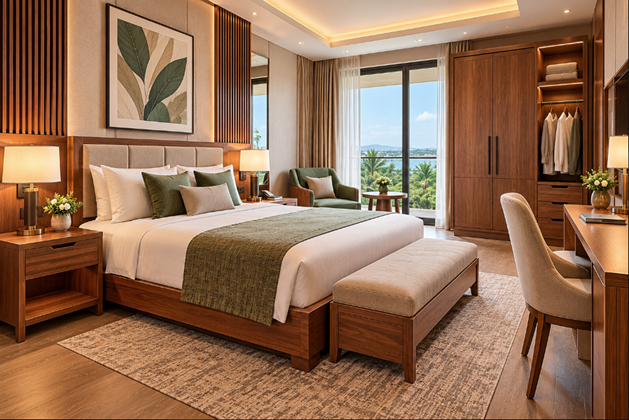
Solid wood is a popular choice for premium hospitality interiors because of its natural appearance, distinctive grain patterns, and versatility.
It can be used for selected hotel beds, headboards, bedside tables, coffee tables, desks, dining tables, and decorative furniture.
Benefits of Solid Wood Furniture
- Natural appearance suitable for luxury interiors
- Distinctive grain patterns and finishes
- Can be repaired or refinished in many applications
- Suitable for classic, contemporary, and premium designs
- Available in different wood species and colours
Things to Consider
Wood performance depends on the species, moisture content, construction, finish, and environmental conditions. Changes in humidity can cause movement, so appropriate timber preparation and construction are important.
Solid wood can also be more expensive than some engineered alternatives.
Best applications: Hotel beds, bedside tables, premium desks, lobby tables, selected restaurant tables, and decorative furniture.
3. Plywood for Hotel Furniture Construction
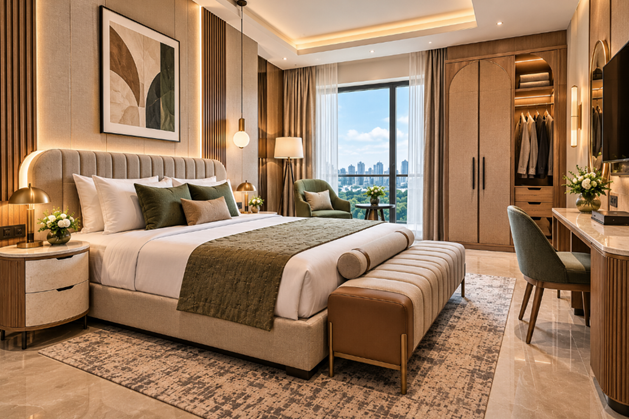
Plywood is widely used in commercial furniture manufacturing because it offers a layered construction that can provide good dimensional stability and strength when properly specified.
It is commonly used for headboards, cabinet structures, wardrobes, desks, drawer components, and selected upholstered furniture frames.
Benefits of Plywood
- Suitable for many furniture construction applications
- Available in different grades and thicknesses
- Can support veneer, laminate, and other surface finishes
- Useful for custom furniture dimensions
- Can offer a practical balance between cost and performance
Things to Consider
Plywood quality varies by grade, adhesive system, thickness, and manufacturing process. Edges and surfaces should be appropriately sealed, particularly where moisture exposure is possible.
For hotel furniture, select a grade suitable for the intended application and verify the manufacturer’s specifications.
Best applications: Hotel wardrobes, study desks, headboards, cabinet structures, and custom-built furniture.
4. MDF and Particleboard for Hotel Cabinets and Wardrobes
Medium-density fibreboard (MDF) and particleboard are engineered wood products used in many interior furniture applications.
They can provide smooth surfaces for decorative finishes and are often considered for wardrobes, cabinets, drawer fronts, and furniture panels.
MDF
MDF has a relatively smooth, uniform surface that is useful for painted finishes, decorative profiles, and certain laminated applications.
Particleboard
Particleboard is made from wood particles bonded together and is often used in cost-conscious furniture construction with suitable surface finishes.
Important Considerations
Neither material should be treated as automatically waterproof. Moisture resistance depends on the specific product grade, edge protection, surface finish, and installation conditions.
For commercial hotel furniture, check panel specifications, screw-holding requirements, edge treatment, hardware quality, and suitability for repeated use.
Best applications: Interior wardrobes, cabinet panels, drawer fronts, storage units, and selected desks.
5. Metal for Strong Commercial Furniture
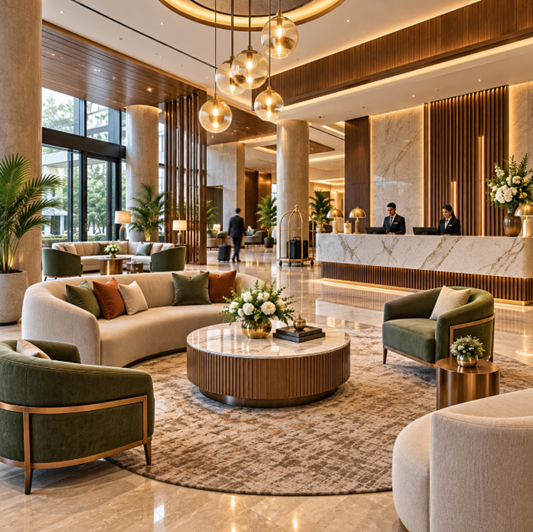
Metal is frequently used in hotel furniture where structural support, a contemporary appearance, and practical maintenance are important.
Steel and aluminium are common choices, but their suitability depends on the product design and operating environment.
Steel Furniture
Steel can provide substantial structural strength and is used in bed frames, table bases, chair frames, and other furniture components.
Appropriate protective coatings help reduce corrosion risk.
Aluminum Furniture
Aluminum is lightweight and naturally corrosion-resistant, making it useful for certain outdoor dining chairs, tables, and lounge furniture designs.
Benefits of Metal Furniture
- Suitable for a wide range of structural applications
- Available in contemporary designs
- Can be combined with wood, rope, glass, and upholstery
- Offers different finishing and colour options
- Can be appropriate for commercial environments
Best applications: Bed frames, restaurant chair frames, table bases, conference furniture, bar stools, and outdoor seating.
6. Commercial-Grade Upholstery for Hotel Sofas and Chairs
Upholstery affects guest comfort, visual appeal, cleaning requirements, and the service life of upholstered hotel furniture.
Hotels use upholstered materials for lobby sofas, bedroom headboards, lounge chairs, restaurant seating, and other interior furniture.
Common upholstery options include polyester blends, woven fabrics, synthetic leather, and other purpose-designed commercial textiles.
What to Look For
Abrasion resistance: Consider fabric testing data relevant to the expected frequency of use.
Stain management: Choose upholstery with suitable cleaning instructions and resistance to common spills.
Colourfastness: Materials should be appropriate for the intended lighting conditions and exposure.
Comfort: Fabric texture, padding, and seat construction all affect the guest experience.
Maintenance: Removable covers and replaceable upholstery components can be helpful where practical.
The right upholstery specification depends on the hotel’s category, expected guest traffic, cleaning processes, and budget.
Best applications: Lobby sofas, lounge chairs, upholstered headboards, bedroom seating, and selected restaurant chairs.
7. Outdoor-Grade Rope and Synthetic Wicker Furniture
Rope-woven and synthetic wicker furniture are popular choices for hotels and resorts seeking contemporary outdoor seating.
These designs are commonly used for poolside lounges, garden seating, rooftop restaurants, outdoor cafés, and resort terraces.
Benefits
- Offers a distinctive woven appearance
- Can be combined with metal or other supporting frames
- Provides flexibility in colour and design
- Works well with outdoor cushions and coordinated tables
- Suitable for a variety of hospitality design concepts
What to Check
For outdoor use, confirm that the rope or wicker material is designed for exterior conditions and has appropriate UV resistance. The supporting frame, fasteners, cushion fabrics, and finishes must also suit the environment.
Natural wicker and synthetic outdoor wicker should not be treated as interchangeable because their weather performance and maintenance requirements differ.
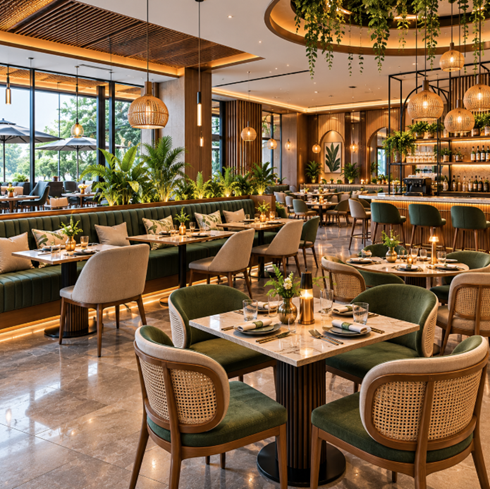
Best applications: Outdoor rope chairs, resort sofas, garden lounge sets, poolside seating, and outdoor dining furniture.
8. Glass and Stone for Hotel Tables
Glass and stone surfaces are often used to add a premium appearance to hotel coffee tables, side tables, reception furniture, and selected dining tables.
Glass
Glass can create a visually light and contemporary appearance. Furniture-grade glass should be appropriately specified for the application, with suitable thickness, edge finishing, and support.
Natural Stone and Engineered Stone
Stone surfaces can provide distinctive textures and finishes. Their weight, stain resistance, porosity, sealing requirements, and compatibility with the supporting frame should be considered.
Important Considerations
Tables should have stable construction and suitable edge treatments. Cleaning instructions and resistance to impact, heat, and staining vary by material.
Best applications: Lobby coffee tables, side tables, accent tables, reception areas, and selected premium dining furniture.
9. Comparing Materials for Commercial Hotel Furniture
| Material | Main advantages | Common applications |
| Solid wood | Natural appearance, refinishing potential | Beds, tables, premium furniture |
| Plywood | Versatile construction, finish flexibility | Wardrobes, desks, headboards |
| MDF | Smooth surface, decorative finishes | Cabinet panels, drawer fronts |
| Particleboard | Cost-conscious panel construction | Selected cabinets and storage |
| Steel | Structural strength | Bed frames, chair frames, table bases |
| Aluminium | Lightweight, corrosion-resistant | Outdoor chairs and tables |
| Commercial upholstery | Comfort and design flexibility | Sofas, lounge chairs, headboards |
| Outdoor synthetic rope | Woven appearance, design flexibility | Resort and patio seating |
| Glass and stone | Distinctive premium surfaces | Coffee tables, side tables, accent furniture |
The best choice is not necessarily the most expensive material. It is the material that meets the product’s performance requirements, design goals, maintenance conditions, and budget.
10. How to Choose the Right Material for Each Hotel Area
Different spaces within a hotel require different material specifications.
Guest Bedrooms
Consider well-constructed bed frames, suitable headboard materials, durable wardrobe panels, reliable hardware, and finishes that can withstand housekeeping routines.
Hotel Lobbies
Lobby furniture should combine appearance with durability. Pay attention to frame construction, upholstery performance, surface finishes, and ease of cleaning.
Restaurants and Cafés
Dining tables and chairs should withstand frequent use, cleaning, and movement. Tabletop finishes, chair joints, upholstery, and frame stability deserve particular attention.
Banquet Halls
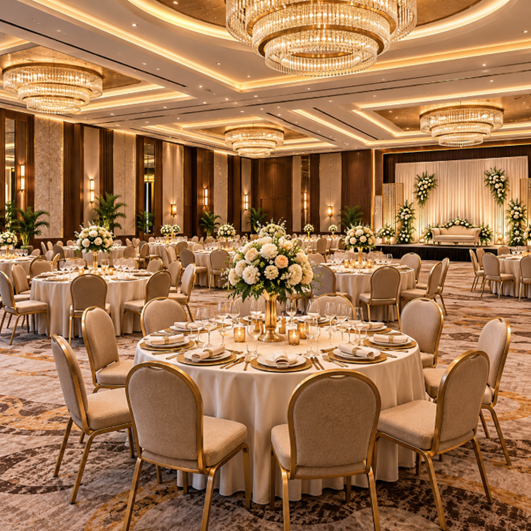
Banquet furniture needs to support repeated handling, storage, and layout changes. Structural strength, stackability, surface protection, and ease of maintenance are important.
Outdoor Areas
For terraces, gardens, rooftop restaurants, and poolside areas, choose materials and finishes designed for the expected exposure to sunlight, moisture, and temperature changes.
11. Tips for Buying Durable Commercial Hotel Furniture
Before placing a bulk furniture order, follow these practical steps:
- Define the intended use and expected frequency of use for each product.
- Request material grades, thicknesses, finishes, and construction specifications.
- Check joints, hardware, frame stability, and upholstery details.
- Review cleaning and maintenance instructions.
- Ask about warranty coverage and replacement components.
- Compare suppliers using equivalent product specifications.
- Request samples or approve a prototype for customized projects.
- Confirm production capacity, packaging, and delivery schedules.
- Consider repair, refurbishment, and replacement costs when comparing quotations.
For large hotel projects, a detailed furniture schedule can help ensure consistent materials and finishes across rooms and public spaces.
Frequently Asked Questions
Which material is best for commercial hotel furniture?
There is no single best material for every application. Solid wood, plywood, metal, commercial upholstery, and outdoor-grade synthetic rope can all be suitable when correctly specified for the product and environment.
Is plywood suitable for hotel wardrobes?
Yes. Suitable grades of plywood are commonly used for wardrobe construction. Performance depends on panel quality, thickness, hardware, edge protection, finish, and manufacturing quality.
Which material is suitable for hotel lobby sofas?
A robust frame combined with commercial-grade upholstery and appropriate cushioning can be a good choice. Select materials according to expected guest traffic, cleaning requirements, and the hotel’s design concept.
What is the best material for outdoor hotel furniture?
Outdoor-grade aluminium, suitable coated metal, appropriately treated wood, and UV-resistant synthetic rope are common options. The best choice depends on the local climate and intended application.
How can hotels reduce furniture maintenance costs?
Select suitable materials, use correct cleaning methods, inspect furniture regularly, and choose products with practical repair or replacement options. Good material selection can help reduce avoidable maintenance and replacement expenses.
Conclusion
Selecting the best materials for durable commercial hotel furniture requires a balance of structural performance, design, comfort, maintenance, and cost. Solid wood and engineered panels can serve different interior furniture applications, while metal frames, commercial upholstery, outdoor-grade synthetic rope, glass, and stone offer additional options for hospitality projects.
Hotel owners, resort developers, architects, and procurement managers should evaluate each material according to the furniture’s intended use and environmental conditions rather than choosing solely by appearance or initial price.
Planning a hotel furniture project? Prepare your product specifications, compare suitable materials, and consult a qualified hotel furniture manufacturer or supplier about bedroom furniture, wardrobes, bedside tables, lobby seating, restaurant furniture, banquet furniture, and outdoor furniture solutions.